NO:9, Jalan CH Light Industries 2A,
Kawasan Perindustrian Ringgan College Height,
71700 Pajam, Negeri Sembilan, Malaysia.

In industrial printing environments, consistency is everything. Whether producing product labels, packaging codes, or barcodes, the ability to maintain uniform print quality across long production runs defines both reliability and professionalism. Consistent print quality ensures that every printed message, logo, or code is sharp, legible, and identical from the first product to the last, regardless of production speed or environmental conditions.
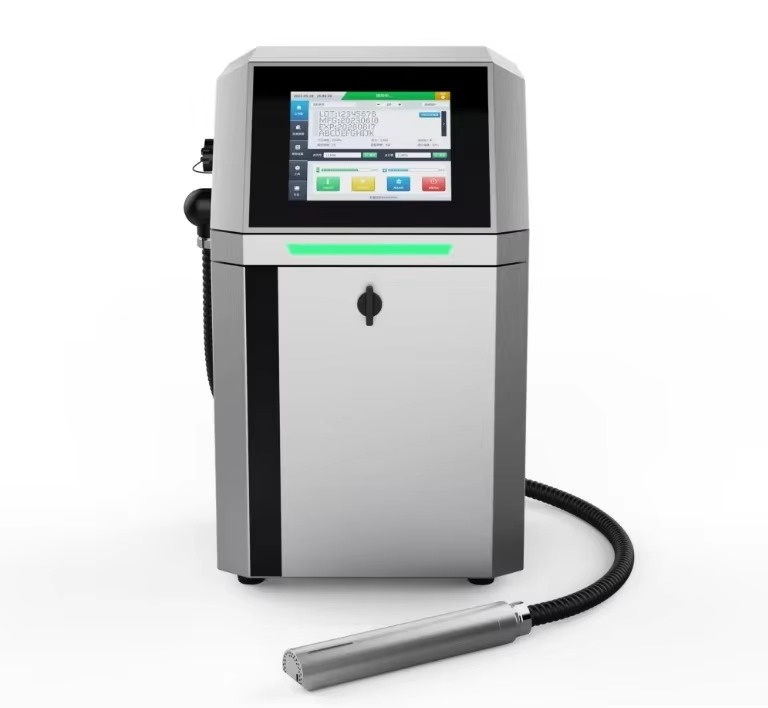
Modern printers are designed to deliver this consistency through advanced ink systems, intelligent printheads, and automated monitoring features. The printheads maintain precise droplet placement, ensuring each character or image is formed accurately. Automatic calibration functions adjust ink flow and printhead temperature in real-time, compensating for any fluctuations that might affect clarity. This means even during continuous, high-speed operations, print results remain crisp and uniform.
Another key factor in achieving consistent quality is the ink formulation. Specialized inks are engineered to perform steadily on various materials—such as plastic, glass, metal, or paper—without smudging, fading, or spreading. Quick-drying properties prevent ink buildup on substrates, while chemical stability ensures strong adhesion and long-term durability. Together, these characteristics guarantee clean, high-contrast prints that withstand handling, transport, and environmental exposure.
Ease of maintenance also contributes to print consistency. Automatic cleaning cycles and self-diagnostic features help prevent nozzle clogging and maintain optimal printhead performance. Operators can rely on intuitive touchscreens and software tools that alert them to potential issues before print quality is affected. This reduces downtime, minimizes waste, and supports smooth production continuity.
Environmental factors such as temperature, humidity, and dust can also impact print quality. High-quality industrial printers are built to handle these challenges through sealed components and adaptive control systems. As a result, businesses can depend on reliable output even in demanding factory settings.
Ultimately, consistent print quality is not just a technical feature—it’s a business advantage. It strengthens brand reputation, supports compliance with labeling regulations, and enhances product traceability. By delivering dependable, repeatable results, printers help manufacturers maintain efficiency and customer trust.
In short, consistent print quality combines intelligent technology, robust materials, and smart design to produce perfect prints every time. It reflects the precision and dependability that modern industries require, ensuring that every product leaving the production line carries a mark of quality you can see and rely on.